A Complete Guide to the Customer Digital Journey
Arnav Jalan
marketing
What is a Customer Digital Journey?
Key Takeaways
Benefits of Customer Journey Mapping — Customer Journey Mapping offers several advantages, including improved customer satisfaction, enhanced user experience, and increased customer loyalty...
Creating a Customer Journey Map — Creating a Customer Journey Map involves thorough research, customer feedback analysis, and collaboration across departments.
Examples of Digital Customer Journeys — Digital Customer Journeys can vary widely depending on the industry and target audience.
Optimizing the Digital Customer Journey Map — Optimizing the Customer Digital Journey Map involves continuous refinement and adaptation based on real-time data and customer feedback.
Stages of the Digital Customer Journey — The Digital Customer Journey is composed of several distinct stages that customers go through when interacting with a brand or business online.
Exploring the Different Stages — Exploring the different stages of the Digital Customer Journey allows businesses to gain insight into customer behavior and preferences at various tou...
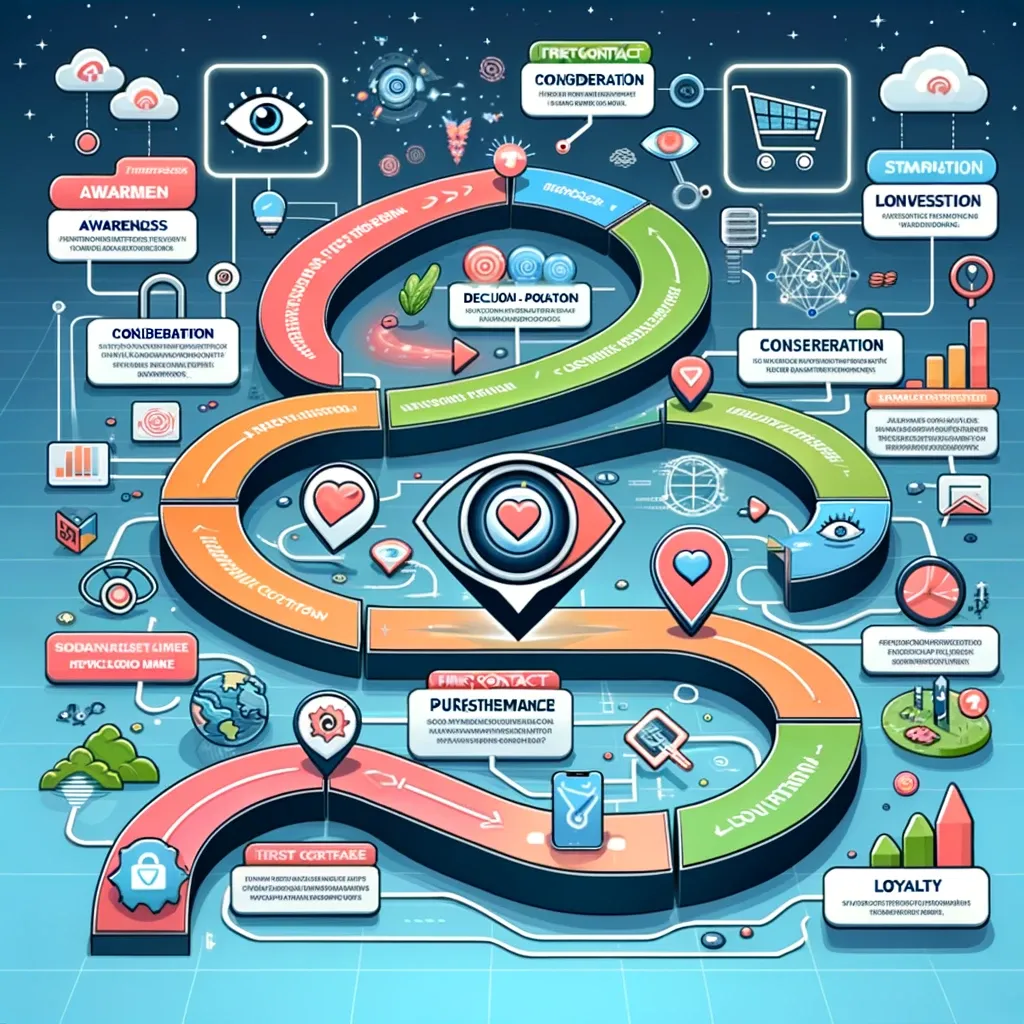
A Customer Digital Journey, often referred to as the customer journey or customer experience journey, is the path that a consumer takes when interacting with a brand or business through various digital channels and touchpoints. It encompasses the entire spectrum of the customer's interactions, from the initial awareness of a product or service to the post-purchase engagement and support.
Understanding the Customer Journey Map
A critical tool in understanding and optimizing the Customer Digital Journey is the Customer Journey Map. This visual representation outlines the various stages and touchpoints of the customer's digital experience, helping businesses identify pain points, opportunities for improvement, and moments that matter most to the customer.
Benefits of Customer Journey Mapping
Customer Journey Mapping offers several advantages, including improved customer satisfaction, enhanced user experience, and increased customer loyalty. It enables businesses to align their digital strategies with customer expectations, resulting in more effective communication and higher conversion rates.
Creating a Customer Journey Map
Creating a Map involves thorough research, customer feedback analysis, and collaboration across departments. It requires identifying customer touchpoints, mapping their interactions, and understanding the emotions and expectations associated with each stage.
Examples of Digital Customer Journeys
Digital s can vary widely depending on the industry and target audience. Examples may include the path a consumer takes from discovering a mobile app to making in-app purchases, or the steps involved in researching, selecting, and purchasing a product online.
Optimizing the Digital Customer Journey Map
Optimizing the Customer Digital Journey Map involves continuous refinement and adaptation based on real-time data and customer feedback. Businesses must identify pain points, make easier processes, and ensure a effortless, personalized, and engaging experience across all digital touchpoints. By optimizing the digital , organizations can drive customer satisfaction, loyalty, and long-term success.
Stages of the Digital Customer Journey
The Digital Customer Journey is composed of several distinct stages that customers go through when interacting with a brand or business online. These stages typically include awareness, consideration, purchase, post-purchase, and advocacy. Each stage represents a specific point in the customer's path, and understanding them is significant for designing effective digital strategies.
Exploring the Different Stages
Exploring the different stages of the Digital allows businesses to gain insight into customer behavior and preferences at various touchpoints. This exploration helps identify opportunities for engagement and conversion while also revealing potential pain points that need addressing.
The Five Stages of the Digital Customer Journey
The five stages of , namely awareness, consideration, purchase, post-purchase, and advocacy, provide a structured framework for analyzing and optimizing the customer experience. By focusing on each stage, businesses can tailor their digital efforts to meet customer needs and expectations.
Customer Journey Analytics
Analytics involves the collection and analysis of data related to customer interactions and behaviors at different stages of their journey. This data-driven approach helps businesses make informed decisions, optimize their digital strategies, and improve customer satisfaction.
Customer Journey Map Template
A Customer Journey Map Template is a visual tool that businesses use to create a detailed representation of the customer's path through various touchpoints. Templates provide a structured framework for mapping s, making the process more efficient and consistent.
Creating a Personalized Customer Journey
Personalizing is a key strategy for enhancing the customer experience. By tailoring interactions and content to individual customer personas and preferences, businesses can support stronger customer relationships, improve customer loyalty, and drive growth. Personalization is often achieved through data-driven insights and marketing automation tools, allowing businesses to deliver relevant and timely content to their audience at each stage of the journey.
Enhancing the Digital Customer Experience
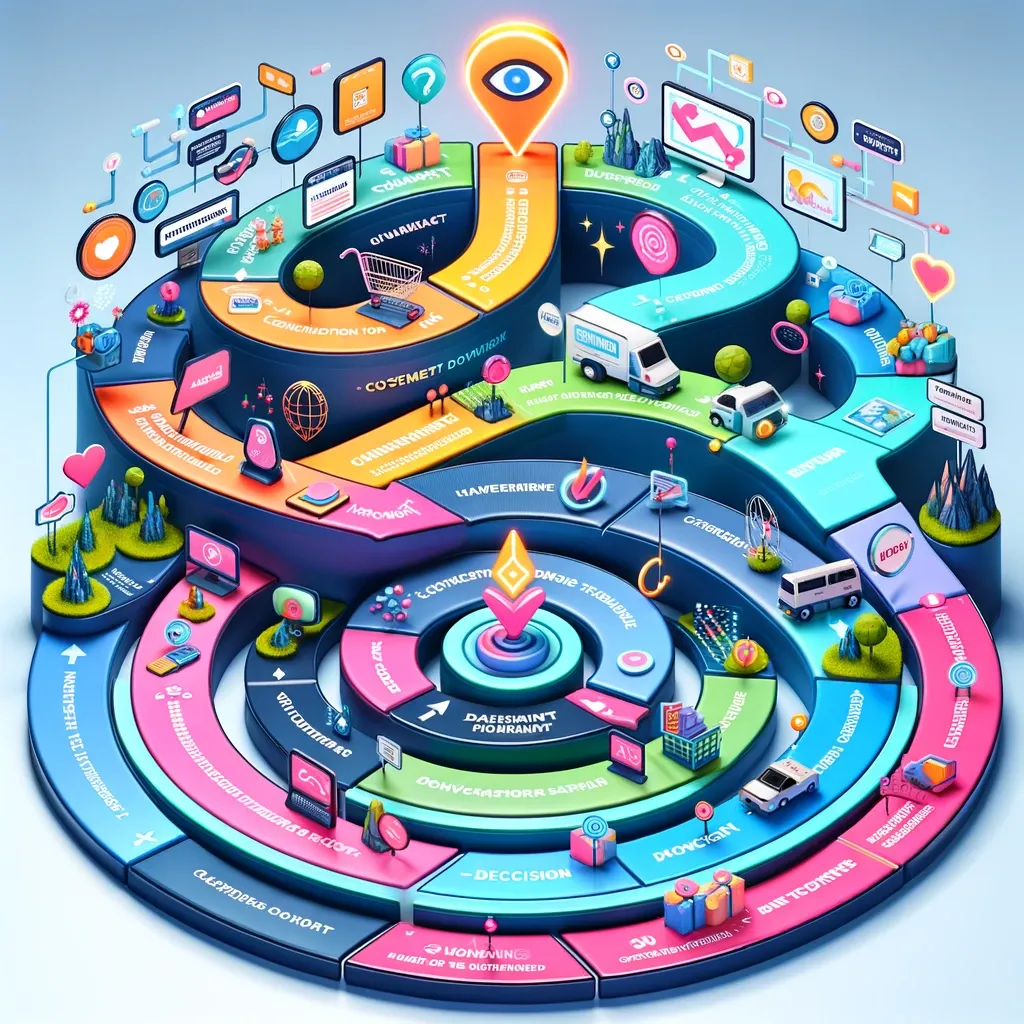
Enhancing Customer Experience is an ongoing process that aims to create meaningful and positive interactions between customers and a brand across digital touchpoints. customers have high expectations for smooth and personalized experiences. Therefore, businesses must take a thorough approach to improve every aspect of the .
To enhance the digital customer experience, companies often start by mapping out the customer journey to gain a clear understanding of how customers interact with their brand. This includes identifying touchpoints such as website visits, social media engagement, email communications, and mobile app interactions. By analyzing these touchpoints, businesses can identify pain points and areas for improvement.
One of the key benefits of enhancing customer experience is improved customer satisfaction. Satisfied customers are more likely to become loyal and recommend a brand to others. Also, positive online reviews and word-of-mouth referrals can significantly impact a company's reputation and growth.
Customer Touchpoints in the Digital Journey
Customer touchpoints are the various points of interaction that customers have with a brand throughout their digital journey. These touchpoints can include visiting a website, making a purchase, receiving an email, chatting with customer support, or engaging with a brand on social media. Understanding and optimizing these touchpoints are key for providing a easy and satisfying customer experience.
Identifying customer touchpoints involves examining the entire , from awareness and consideration to purchase and post-purchase interactions. By mapping out these touchpoints, businesses can gain insights into how customers engage with their brand and where improvements can be made.
Improving Customer Satisfaction
Improving customer satisfaction is a primary objective in enhancing customer experience. Satisfied customers are more likely to make repeat purchases, become brand advocates, and positively influence others. To improve customer satisfaction, businesses must actively address pain points, resolve issues promptly, and consistently deliver value.
This can involve providing efficient and responsive customer support, ensuring product or service quality, and actively seeking customer feedback to identify areas for improvement. Also, personalizing the customer experience and tailoring offerings to individual preferences can enhance satisfaction levels.
Seamless User Experience Across Digital Channels
Providing a straightforward user experience across different digital channels is critical for ensuring that customers have a consistent and user-friendly journey. Customers expect a unified experience whether they are interacting with a brand through its website, mobile app, social media, email, or other digital touchpoints.
To achieve this, businesses must ensure that their branding, messaging, and user interface elements are consistent across all channels. On top of that, optimizing for mobile responsiveness and ensuring that website navigation is intuitive can contribute to a effortless user experience.
Real-time Engagement in the Digital Customer Journey
Real-time engagement involves interacting with customers in the moment, delivering timely and relevant information or assistance. This can include responding to customer inquiries instantly, providing personalized product recommendations, or sending timely notifications about order updates or promotions.
Real-time engagement is particularly valuable in because it allows businesses to address customer needs and concerns promptly. Putting to work technologies such as chatbots or live chat support can enable real-time engagement, enhancing the customer experience.
The Role of Mobile Apps in the Digital Journey
Mobile apps play a significant role in the digital journey, offering several advantages to both businesses and customers. These apps provide a convenient and accessible way for customers to engage with a brand directly on their mobile devices. Mobile apps can offer features such as personalized experiences, easy access to account information, and the ability to make purchases on the go.
For businesses, mobile apps allow for deeper customer engagement, as they provide a dedicated platform for interaction. Companies can send push notifications to inform customers of promotions or updates, gather valuable data on user behavior, and enhance brand loyalty through loyalty programs and exclusive app-only offers.
Enhancing customer experience involves optimizing every aspect of the across digital touchpoints. By understanding customer touchpoints, improving satisfaction, providing a smooth user experience, engaging in real-time, and using mobile apps, businesses can create a more compelling and rewarding digital journey for their customers.
Optimizing Customer Success in the Digital Journey
Businesses must prioritize optimizing customer success throughout journey to thrive in a competitive landscape. This strategic approach revolves around ensuring that customers derive maximum value and satisfaction from their interactions with a brand, product, or service. It goes beyond providing support and addresses the broader goal of helping customers achieve their desired outcomes effectively. To achieve this, businesses can implement a series of fundamental steps:
Understanding Customer Personas and Pain Points
The journey begins with gaining a deep understanding of customer personas and their pain points. Customer personas are detailed profiles that represent various segments of a target audience. By delving into these personas, businesses can uncover valuable insights into the needs, preferences, and challenges their customers face. Recognizing and empathizing with these pain points enables businesses to tailor their digital experiences effectively.
Improving Customer Support through Digital Transformation
Embracing digital transformation is central to enhance customer support. Digital technologies such as chatbots, knowledge bases, and self-service portals have revolutionized how businesses offer assistance. Chatbots, for instance, provide instantaneous responses to customer inquiries, improving efficiency and accessibility. Self-service options help customers to find solutions to common issues independently, freeing up support teams to tackle more complex problems. This transformation in support services not only streamlines operations but also elevates the customer experience.
Utilizing Customer Feedback for Digital Experience Enhancement
Customer feedback serves as a goldmine of insights for optimizing digital experiences. Businesses can collect feedback through various channels, including surveys, online reviews, and direct customer interactions. Analyzing this feedback helps identify areas in which journey can be enhanced. The data-driven approach ensures that decisions are based on real customer insights, enabling businesses to prioritize improvements that align with customer expectations and drive tangible results.
The Importance of Customer Journey Analytics
Customer journey analytics is a cornerstone of optimizing customer success in the digital realm. It involves tracking and scrutinizing customer interactions across digital touchpoints. This data-driven approach provides valuable insights into customer behavior, preferences, and pain points at every stage of their journey. By dissecting this information, businesses can identify bottlenecks, detect patterns, and uncover opportunities for improvement. Armed with this knowledge, they can make informed decisions to refine journey continuously.
Media Channels and Touchpoints for Customer Engagement
Effective engagement with customers across diverse digital channels and touchpoints is primary for optimizing customer success. Businesses must strategically choose and use various channels, including social media platforms, email marketing, webinars, mobile apps, and more.
Each channel presents a unique opportunity to connect with customers and provide value. Crafting compelling and relevant content for these channels ensures that customer engagement remains meaningful and informative. The key is to choose the right channels that align with the target audience and offer consistent, high-quality experiences across them.
Optimizing customer success in journey is a multifaceted endeavor that requires a broad approach. It involves understanding customer personas, embracing digital transformation, applying customer feedback, employing analytics, and strategically engaging customers across multiple digital channels. By placing customer needs at the forefront and continuously improving digital experiences, businesses can cultivate stronger customer relationships, develop loyalty, and drive long-term success in today's industry.
Frequently Asked Questions
What are benefits of customer journey mapping?
Mapping offers several advantages, including improved customer satisfaction, enhanced user experience, and increased customer loyalty. It enables businesses to align their digital strategies with customer expectations, resulting in more effective communication and higher conversion rates.
What are the best approaches for creating a customer journey map?
Creating a Map involves thorough research, customer feedback analysis, and collaboration across departments. It requires identifying customer touchpoints, mapping their interactions, and understanding the emotions and expectations associated with each stage.
What are examples of digital customer journeys?
Digital s can vary widely depending on the industry and target audience. Examples may include the path a consumer takes from discovering a mobile app to making in-app purchases, or the steps involved in researching, selecting, and purchasing a product online.
What are the best approaches for optimizing the digital customer journey map?
Optimizing the Customer Digital Journey Map involves continuous refinement and adaptation based on real-time data and customer feedback. Businesses must identify pain points, make easier processes, and ensure a effortless, personalized, and engaging experience across all digital touchpoints. By optimizing customer journey, organizations can drive customer satisfaction, loyalty, and long-term success.
What is stages of the digital customer journey?
The Digital is composed of several distinct stages that customers go through when interacting with a brand or business online. These stages typically include awareness, consideration, purchase, post-purchase, and advocacy. Each stage represents a specific point in the customer's path, and understanding them is significant for designing effective digital strategies.
What are the best approaches for exploring the different stages?
Exploring the different stages of allows businesses to gain insight into customer behavior and preferences at various touchpoints. This exploration helps identify opportunities for engagement and conversion while also revealing potential pain points that need addressing.
Inagiffy — Premium newsletter growth for brands that take email seriously. Strategy, design, and delivery handled for you. See what we do.
Related Articles
