Discover the Power of 4 Types of Artificial Intelligence
Arnav Jalan
email marketing
Understanding the Basics of AI
Key Takeaways
Unveiling the Concepts of Machine Learning — Machine Learning (ML), a subset of AI, focuses on developing algorithms that enable computers to learn from and make predictions based on data.
Delving into Deep Learning Technologies — Deep Learning, a more advanced subset of ML, involves artificial neural networks with multiple layers that mimic the human brain's operations.
The Role of AI in Marketing Strategies — Artificial Intelligence (AI) is not just a futuristic concept; it's a practical tool that's transforming marketing strategies today.
Utilizing Narrow AI for Targeted Campaigns — Narrow AI, or Artificial Narrow Intelligence, refers to AI systems designed to perform specific tasks.
Using the Potential of Artificial General Intelligence — While still in its theoretical stage, Artificial General Intelligence (AGI) represents the future of AI, where systems could perform any intellectual ...
Enhancing Customer Engagement with Natural Language Processing — Natural Language Processing (NLP) allows AI systems to understand, interpret, and respond to human language in a way that is both meaningful and conte...
At its core, Artificial Intelligence (AI) is the branch of computer science focused on creating systems capable of performing tasks that typically require human intelligence. From understanding natural language to recognizing patterns in vast data sets, AI is reshaping how we live and work, offering new levels of efficiency and insight.
AI is reshaping various sectors by automating complex tasks, enhancing decision-making, and providing insights beyond human capability.
Exploring Different Types of Artificial Intelligence
AI can be broadly classified into four types based on functionality and capability: Reactive Machines, Limited Memory AI, Theory of Mind AI, and Self-aware AI. Each type represents a different stage of AI development, from basic task execution to systems that can understand and process emotions and thoughts, potentially surpassing human intelligence.
Understanding the different types of AI is necessary for putting to work their specific capabilities to enhance marketing strategies and customer engagement.
Unveiling the Concepts of Machine Learning
Machine Learning (ML), a subset of AI, focuses on developing algorithms that enable computers to learn from and make predictions based on data. This ability to learn from past experiences and adapt without being explicitly programmed opens up a world of possibilities for personalized marketing, predictive analytics, and customer behavior modeling.
Delving into Deep Learning Technologies
Deep Learning, a more advanced subset of ML, involves artificial neural networks with multiple layers that mimic the human brain's operations. This technology is at the heart of the most leading AI applications, from voice recognition systems like Siri and Alexa to sophisticated image recognition in social media platforms.
Deep Learning technologies provide unparalleled accuracy in tasks like speech and image recognition, enabling more intuitive and interactive customer experiences.
The Role of AI in Marketing Strategies
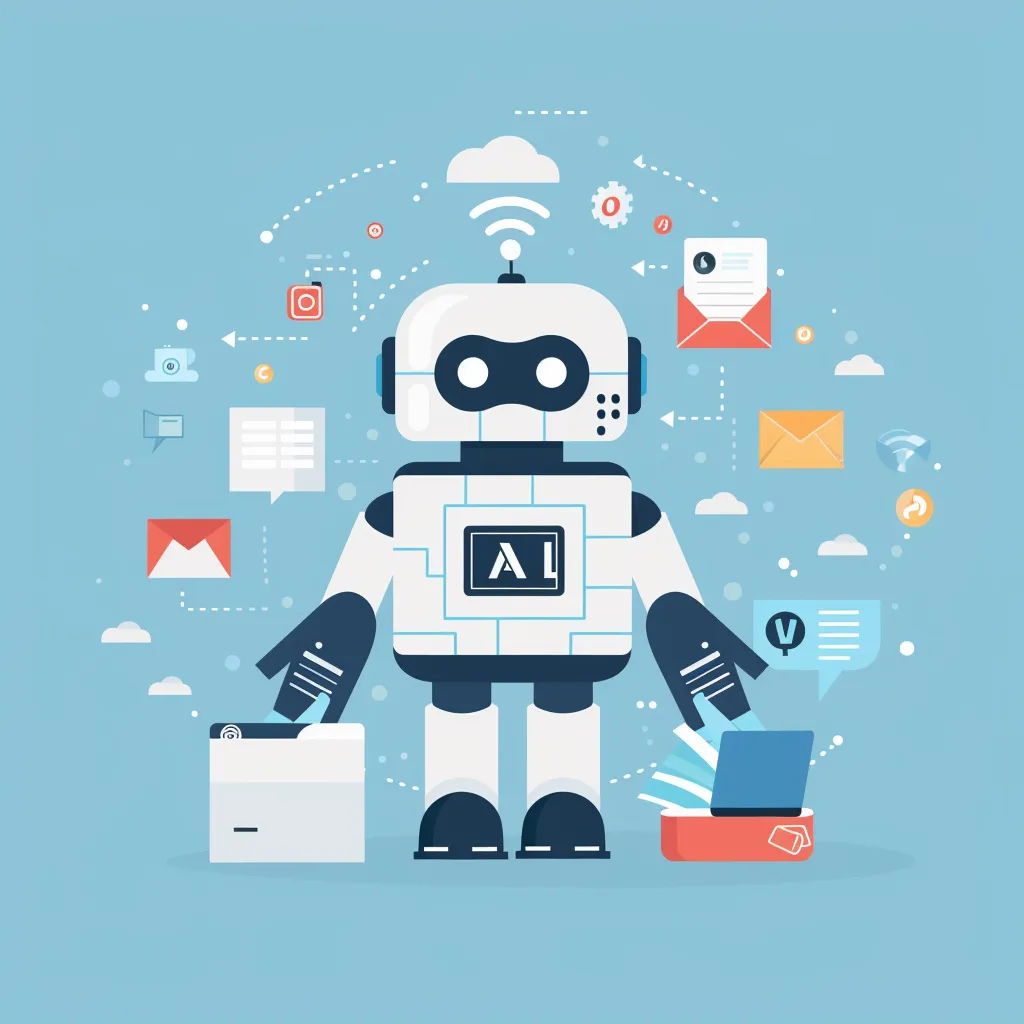
Artificial Intelligence (AI) is not just a futuristic concept; it's a practical tool that's transforming marketing strategies today. By automating tasks, providing insightful analytics, and enabling personalized customer interactions, AI is helping brands to not only reach but resonate with their audiences more effectively.
AI is a breakthrough in marketing, offering precision, efficiency, and a level of personalization that was previously unattainable.
Utilizing Narrow AI for Targeted Campaigns
Narrow AI, or Artificial Narrow Intelligence, refers to AI systems designed to perform specific tasks. In marketing, this could mean anything from chatbots providing customer service to algorithms optimizing ad placements. By focusing on particular areas, narrow AI can significantly enhance targeted campaigns, making them more relevant and effective.
Narrow AI is instrumental in executing highly targeted and efficient marketing campaigns, improving both reach and relevance.
Harnessing the Potential of Artificial General Intelligence
While still in its theoretical stage, Artificial General Intelligence (AGI) represents the future of AI, where systems could perform any intellectual task that a human can. For marketers, the advent of AGI promises unprecedented adaptability and decision-making capabilities, potentially transforming strategy development and customer engagement.
AGI holds the promise of transforming marketing strategies by offering unparalleled adaptability and insight.
Enhancing Customer Engagement with Natural Language Processing
Natural Language Processing (NLP) allows AI systems to understand, interpret, and respond to human language in a way that is both meaningful and contextually relevant. In marketing, NLP can be used to analyze customer feedback, automate responses, and even personalize content, significantly enhancing engagement and satisfaction.
NLP enhances customer engagement by enabling more intuitive and meaningful interactions between brands and their audiences.
AI Innovations Shaping the Future of Marketing
Examining the Impact of Human Intelligence Integration
The integration of AI with human intelligence in marketing strategies offers a symbiotic relationship where each complements the other's strengths. This combination allows for creative problem-solving and subtle decision-making, leading to more innovative and effective marketing solutions.
Advancements in Theory of Mind AI for Personalized Marketing
Theory of Mind AI refers to systems that can understand and potentially replicate human emotions and intentions. While it's still developing, its implications for marketing are vast, including the ability to predict customer reactions and personalize communications on an unprecedented scale.
AI Applications in Marketing Campaigns
Introduction to AI in Marketing Artificial Intelligence (AI) is overhauling the marketing landscape, offering tools that enable brands to predict consumer behavior, personalize campaigns, and automate repetitive tasks. AI's ability to analyze data at scale and glean actionable insights is transforming how marketers connect with their audiences, making campaigns more effective and efficient.
AI technology is a powerful ally in marketing, enhancing campaign personalization, efficiency, and data analysis to better meet consumer needs.
Implementing Self-Aware AI for Adaptive Marketing Strategies
While the concept of self-aware AI might evoke images of science fiction, its potential application in marketing is grounded in enhancing adaptive strategies. This advanced form of AI, though still theoretical, would enable marketing systems to understand and adjust to consumer emotions and behaviors in real-time, offering unprecedented personalization and responsiveness in campaigns.
Self-aware AI represents the future of highly adaptive and personalized marketing strategies, potentially offering real-time adjustments based on consumer behavior and emotions.
Exploring the Role of AI in Self-Driving Car Marketing
AI doesn't just influence digital marketing strategies; it's also key in marketing modern products like self-driving cars. AI technologies help in gathering and analyzing consumer data, understanding market trends, and developing targeted marketing strategies that resonate with potential buyers' safety, efficiency, and technology concerns.
Transforming Marketing with Reactive Machine AI Technology
Reactive Machine AI, one of the most basic forms of AI, operates based on present data without past memory influence. Its application in marketing, particularly through tools like chatbots and customer service AI, enables brands to offer consistent, instant responses to consumer queries, enhancing customer experience and engagement.
Dive into the future of meaningful communication with us and watch your audience grow, engage, and thrive.
Frequently Asked Questions
What are the best approaches for unveiling the concepts of machine learning?
Machine Learning (ML), a subset of AI, focuses on developing algorithms that enable computers to learn from and make predictions based on data. This ability to learn from past experiences and adapt without being explicitly programmed opens up a world of possibilities for personalized marketing, predictive analytics, and customer behavior modeling.
What are the best approaches for delving into deep learning technologies?
Deep Learning, a more advanced subset of ML, involves artificial neural networks with multiple layers that mimic the human brain's operations. This technology is at the heart of the most leading AI applications, from voice recognition systems like Siri and Alexa to sophisticated image recognition in social media platforms.
What role does ai in marketing strategies play?
Artificial Intelligence (AI) is not just a futuristic concept; it's a practical tool that's transforming marketing strategies today. By automating tasks, providing insightful analytics, and enabling personalized customer interactions, AI is helping brands to not only reach but resonate with their audiences more effectively.
What are the best approaches for utilizing narrow ai for targeted campaigns?
Narrow AI, or Artificial Narrow Intelligence, refers to AI systems designed to perform specific tasks. In marketing, this could mean anything from chatbots providing customer service to algorithms optimizing ad placements. By focusing on particular areas, narrow AI can significantly enhance targeted campaigns, making them more relevant and effective.
What are the best approaches for harnessing the potential of artificial general intelligence?
While still in its theoretical stage, Artificial General Intelligence (AGI) represents the future of AI, where systems could perform any intellectual task that a human can. For marketers, the advent of AGI promises unprecedented adaptability and decision-making capabilities, potentially transforming strategy development and customer engagement.
What are the best approaches for enhancing customer engagement with natural language processing?
Natural Language Processing (NLP) allows AI systems to understand, interpret, and respond to human language in a way that is both meaningful and contextually relevant. In marketing, NLP can be used to analyze customer feedback, automate responses, and even personalize content, significantly enhancing engagement and satisfaction.
Inagiffy — Premium newsletter growth for brands that take email seriously. Strategy, design, and delivery handled for you. See what we do.
Related Articles
