Optimize Your Lifecycle Marketing Strategy in 2025
Arnav Jalan
marketing
Optimize Your Lifecycle Marketing Strategy in 2025: Customer Lifecycle Marketing Guide
Lifecycle marketing has become a critical strategy for businesses looking to build customer loyalty and drive sustained revenue growth. This comprehensive guide will look into the intricacies of lifecycle marketing, its benefits, key components, and strategies to optimize your lifecycle marketing strategy in 2025.
Key Takeaways
What is Lifecycle Marketing? — Lifecycle marketing refers to a broad approach that involves engaging customers through every stage of their journey with your brand.
Understanding the Concept of Lifecycle Marketing — The concept of lifecycle marketing revolves around the idea of delivering the right message at the right time to the right customer.
Key Components of a Customer Lifecycle — The customer lifecycle comprises several key stages: awareness, interest, consideration, purchase, retention, and advocacy.
How Lifecycle Marketing Differs from Traditional Campaigns — Traditional marketing campaigns often take a one-size-fits-all approach, focusing on attracting new customers with broad, generic messages.
Why is Customer Lifecycle Marketing Important? — Customer lifecycle marketing is important because it focuses on building lasting relationships with customers rather than just acquiring new ones.
Benefits of Implementing Lifecycle Marketing Strategies — Implementing lifecycle marketing strategies offers numerous benefits, including increased customer lifetime value and improved customer retention rate...

What is Lifecycle Marketing?
Refers to a broad approach that involves engaging customers through every stage of their journey with your brand. From initial awareness to post-purchase advocacy, this strategy aims to nurture and retain customers, turning them into loyal brand advocates. By understanding and addressing the needs and behaviors at each stage of the customer lifecycle, businesses can create personalized and effective marketing campaigns that resonate deeply with their audience.
Helps businesses build lasting relationships with customers, ensuring consistent engagement and developing loyalty.
Understanding the Concept of Lifecycle Marketing
The concept of revolves around the idea of delivering the right message at the right time to the right customer. It involves mapping out the entire customer journey and identifying key touchpoints where personalized communication can enhance the customer experience. Unlike traditional marketing, which often focuses on short-term gains, lifecycle marketing emphasizes long-term customer retention and satisfaction.
Key Components of a Customer Lifecycle
The customer lifecycle comprises several key stages: awareness, interest, consideration, purchase, retention, and advocacy. Each stage represents a different point in the customer's journey and requires tailored marketing strategies to move them to the next stage. For instance, during the awareness stage, the focus is on building brand recognition, while the retention stage emphasizes customer satisfaction and loyalty programs.
By identifying and targeting the specific needs of customers at each lifecycle stage, businesses can enhance customer engagement and drive conversions.
How Lifecycle Marketing Differs from Traditional Campaigns
Traditional marketing campaigns often take a one-size-fits-all approach, focusing on attracting new customers with broad, generic messages. In contrast, is highly personalized and data-driven, focusing on nurturing existing customers and guiding them through their entire journey with the brand. This approach not only boosts customer loyalty but also maximizes the lifetime value of each customer.
's personalized and data-driven approach differentiates it from traditional campaigns, leading to higher customer retention and lifetime value.
Why is Customer Lifecycle Marketing Important?
Customer is important because it focuses on building lasting relationships with customers rather than just acquiring new ones. By understanding the different stages of the customer lifecycle, businesses can create personalized marketing messages that resonate with their target audience. This approach not only improves customer engagement but also increases the likelihood of turning one-time buyers into loyal brand advocates.
Benefits of Implementing Lifecycle Marketing Strategies
Implementing lifecycle marketing strategies offers numerous benefits, including increased customer lifetime value and improved customer retention rates. By targeting existing customers with personalized marketing efforts, encourage repeat purchases and encourage loyalty. Also, helps identify and address operational inefficiencies, enhancing the customer experience and boosting profits.
Enhancing Customer Retention through Lifecycle Marketing
Enhancing customer retention through involves understanding and addressing the needs of customers at different stages of their journey. This includes offering loyalty programs, personalized marketing messages, and exceptional customer service. By focusing on customer satisfaction and engagement, create a positive customer experience that encourages repeat business and brand advocacy.
Utilizing Email Marketing in Lifecycle Campaigns
Email marketing plays a significant role in campaigns by delivering personalized and timely messages to customers. Whether it's a welcome email for new customers or a re-engagement campaign for dormant ones, email marketing helps maintain consistent communication throughout the customer lifecycle. By applying data and marketing automation tools, create targeted email campaigns that drive customer engagement and loyalty.
How to Optimize Customer Lifecycle Marketing
Optimizing marketing involves a strategic approach to engaging customers at various stages of their journey. Businesses need to understand the unique needs at each stage of the marketing lifecycle, from awareness to advocacy. By taking advantage of customer data and utilizing online marketing channels, companies can create targeted campaigns that enhance customer retention and satisfaction.
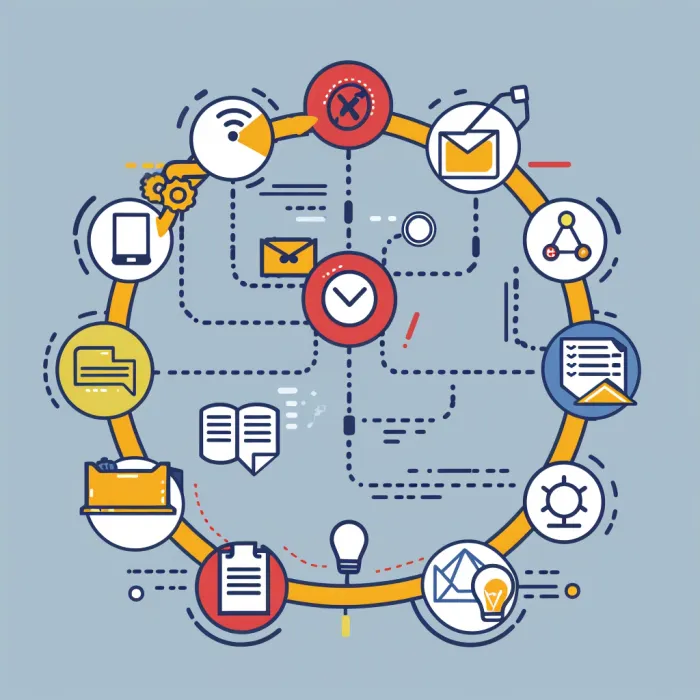
Personalizing Marketing Messages to Increase Engagement
Personalizing marketing messages is critical for increasing customer engagement. Tailoring communication based on customer data and behaviors ensures that messages resonate with the audience. This personalization can be applied across different marketing channels, including email and social media marketing. By addressing customers' specific needs and preferences, businesses can grow a loyal customer base and drive higher engagement.
Implementing Marketing Automation in Your Lifecycle Strategy
Implementing marketing automation in your lifecycle strategy streamlines the process of delivering personalized messages at scale. Automation tools help manage campaigns for each lifecycle stage, from onboarding new customers to re-engaging inactive ones. By automating repetitive tasks, focus on optimizing their plan and improving customer satisfaction.
Measuring Success: Key Metrics for Lifecycle Marketing
Measuring the success of involves tracking key metrics such as customer retention rates, engagement levels, and conversion rates at each stage of the sales funnel. By analyzing these metrics, identify areas for improvement and optimize their lifecycle management strategy. On top of that, tracking customer satisfaction and loyalty indicators provides insights into the effectiveness of marketing techniques.
Creating Effective Lifecycle Marketing Campaigns
Creating effective campaigns involves understanding the full lifecycle of your customer. It’s necessary to map out the different stages of the customer journey—from awareness to advocacy—and tailor marketing communications . By using marketing automation tools, deliver personalized messages at each stage, enhancing engagement and driving conversions.
The Role of Content Marketing in Lifecycle Campaigns
Content marketing plays a vital role in lifecycle marketing campaigns by providing valuable information that guides customers through their journey. From blog posts and eBooks to videos and webinars, content marketing helps educate and engage potential customers at different stages of the lifecycle. This approach to marketing not only builds trust but also positions your brand as a thought leader in the industry.
Nurturing Potential Customers through Tailored Campaigns
Nurturing potential customers involves creating targeted marketing campaigns that address their specific needs and pain points. By using data-driven insights and segmentation, businesses can develop tailored campaigns that guide prospects through the sales funnel. Effective customer requires a deep understanding of customer behaviors and preferences, ensuring that each interaction is relevant and impactful.
Utilizing Social Media Marketing in the Lifecycle Approach
Social media marketing is a powerful tool within the model. It allows businesses to engage with customers across different platforms and stages of their journey. By integrating influencer marketing and omnichannel marketing strategies, companies can create a cohesive and compelling brand presence. Social media enables real-time interactions and feedback, enhancing customer engagement and loyalty.
AQs
What is lifecycle marketing? Lifecycle marketing is a strategy that involves engaging customers through different stages of their journey with your brand, from initial awareness to post-purchase advocacy, with the goal of supporting long-term loyalty and driving sustained revenue growth.
How does lifecycle marketing differ from traditional marketing? Unlike traditional marketing, which often focuses on short-term goals and broad, generic messages, lifecycle marketing emphasizes personalized, data-driven campaigns tailored to different stages of the customer journey, aiming for long-term customer retention and satisfaction.
Why is content marketing important in lifecycle marketing campaigns? Content marketing is key in lifecycle marketing because it provides valuable information that guides and educates customers at various stages of their journey. It helps build trust, engage potential customers, and position your brand as a thought leader.
What role does social media play in lifecycle marketing? Social media plays a significant role in lifecycle marketing by enabling businesses to engage with customers across different platforms and stages of their journey. It supports real-time interactions, feedback, and the integration of influencer and omnichannel marketing strategies to enhance customer engagement and loyalty.
How can businesses optimize their lifecycle marketing strategies? Businesses can optimize their lifecycle marketing strategies by applying marketing automation tools, personalizing marketing messages, understanding customer needs at each stage, and using data-driven insights to create targeted campaigns that enhance customer satisfaction and retention.
What are the key benefits of implementing lifecycle marketing? The key benefits of implementing lifecycle marketing include increased customer retention, higher customer lifetime value, improved customer engagement, more effective marketing communications, and the ability to build lasting relationships with customers.
Dive into the future of meaningful communication with us and watch your audience grow, engage, and thrive.
Frequently Asked Questions
What is Lifecycle Marketing?
Refers to a broad approach that involves engaging customers through every stage of their journey with your brand. From initial awareness to post-purchase advocacy, this strategy aims to nurture and retain customers, turning them into loyal brand advocates.
What are the best approaches for understanding the concept of lifecycle marketing?
The concept of lifecycle marketing revolves around the idea of delivering the right message at the right time to the right customer. It involves mapping out the entire customer journey and identifying key touchpoints where personalized communication can enhance the customer experience. Unlike traditional marketing, which often focuses on short-term gains, emphasizes long-term customer retention and satisfaction.
What is key components of a customer lifecycle?
The comprises several key stages: awareness, interest, consideration, purchase, retention, and advocacy. Each stage represents a different point in the customer's journey and requires tailored marketing strategies to move them to the next stage. For instance, during the awareness stage, the focus is on building brand recognition, while the retention stage emphasizes customer satisfaction and loyalty programs.
How Lifecycle Marketing Differs from Traditional Campaigns?
Traditional marketing campaigns often take a one-size-fits-all approach, focusing on attracting new customers with broad, generic messages. In contrast, is highly personalized and data-driven, focusing on nurturing existing customers and guiding them through their entire journey with the brand. This approach not only boosts customer loyalty but also maximizes the lifetime value of each customer.
Why is Customer Lifecycle Marketing Important?
Customer is important because it focuses on building lasting relationships with customers rather than just acquiring new ones. By understanding the different stages of the , create personalized marketing messages that resonate with their target audience.
What are benefits of implementing lifecycle marketing strategies?
Implementing lifecycle marketing strategies offers numerous benefits, including increased customer lifetime value and improved customer retention rates. By targeting existing customers with personalized marketing efforts, encourage repeat purchases and encourage loyalty. Also, helps identify and address operational inefficiencies, enhancing the customer experience and boosting profits.
Inagiffy — Premium newsletter growth for brands that take email seriously. Strategy, design, and delivery handled for you. See what we do.
Related Articles
