Resending Unopened Email Campaigns
Arnav Jalan
email campaigns
Resending Unopened Email Campaigns: A Guide on how to Resend Email
Resending unopened email campaigns can significantly boost your email open rates and email marketing ROI. By strategically tweaking subject lines and timing, you can ensure your messages reach a broader audience without annoying your subscribers. This guide will help you master the art of resending email campaigns for better results.
Key Takeaways
How to Resend Email Campaigns for Better Results — Resending an email campaign to non-openers involves more than just hitting the resend button.
Understanding the Impact of Resending Emails — Resending emails to non-openers can significantly increase your campaign’s reach and effectiveness.
Choosing the Right Subject Line for Resending: How to Resend an Email — The subject line is a important element in the success of resending emails.
Automating the Process of Sending Another Email: Email Resending Tips — Automating the process of resending emails can save time and ensure consistency in your campaigns.
Best Practices for Resending Email Campaigns — Resending email campaigns can significantly boost your email open rates and engagement.
Incorporating Follow-Up Emails in Your Campaign — Follow-up emails are necessary in maintaining contact with subscribers who didn’t open your initial email.
How to Resend Email Campaigns for Better Results
Resending an email campaign to non-openers involves more than just hitting the resend button. To maximize effectiveness, timing and subject line changes are critical. Typically, avoid resending an email immediately. Allow a wait period of at least 48 hours before resending to give your initial email enough time to be opened.
Experiment with different times of the day and days of the week to find what works best for your audience. For instance, resending emails on Tuesday or Thursday around 10 AM or 2 PM often yields better results due to higher engagement rates during these times.
Timing and strategic adjustments are core for successfully resending email campaigns to non-openers, enhancing open rates without annoying your audience as a sender.
Understanding the Impact of Resending Emails
Resending emails to non-openers can significantly increase your campaign’s reach and effectiveness. Studies show that resending emails can boost open rates by up to 54.7%. many recipients might miss your first email due to a crowded inbox or poor timing.
By giving your emails a second chance, you can capture the attention of those who were too busy or simply overlooked your initial message. However, it’s necessary to monitor the performance of your resending efforts to ensure they are improving your metrics without causing an increase in unsubscribes or spam complaints.
Resending emails can dramatically improve open rates and campaign effectiveness, making it a vital strategy in email marketing.
Choosing the Right Subject Line for Resending: How to Resend an Email
The subject line is a important element in the success of resending emails. Since the is the first thing a recipient sees, it needs to be compelling enough to grab their attention. When resending an email, avoid using the same as the original email.
Instead, craft a new email subject that is personalized, creates a sense of urgency, or sparks curiosity. For example, if your original was “Don’t Miss Our Exclusive Offer,” you could resend the email with a subject like “Last Chance: Exclusive Offer Inside.” Testing different subject lines can also help identify what resonates best with your audience.
Crafting a new, compelling is important for capturing the attention of non-openers and increasing open rates.
Automating the Process of Sending Another Email: Email Resending Tips
Automating the process of resending emails can save time and ensure consistency in your campaigns. Email marketing platforms like Mailchimp and Automizy allow you to set up automated workflows that resend emails to non-openers after a specified period.
These platforms often include features to test and optimize your s, track performance, and ensure that your follow-up emails are sent at the optimal times. By using automation, you can maintain a steady flow of communication with your subscribers, enhance engagement, and improve your email marketing efficiency.
Best Practices for Resending Email Campaigns
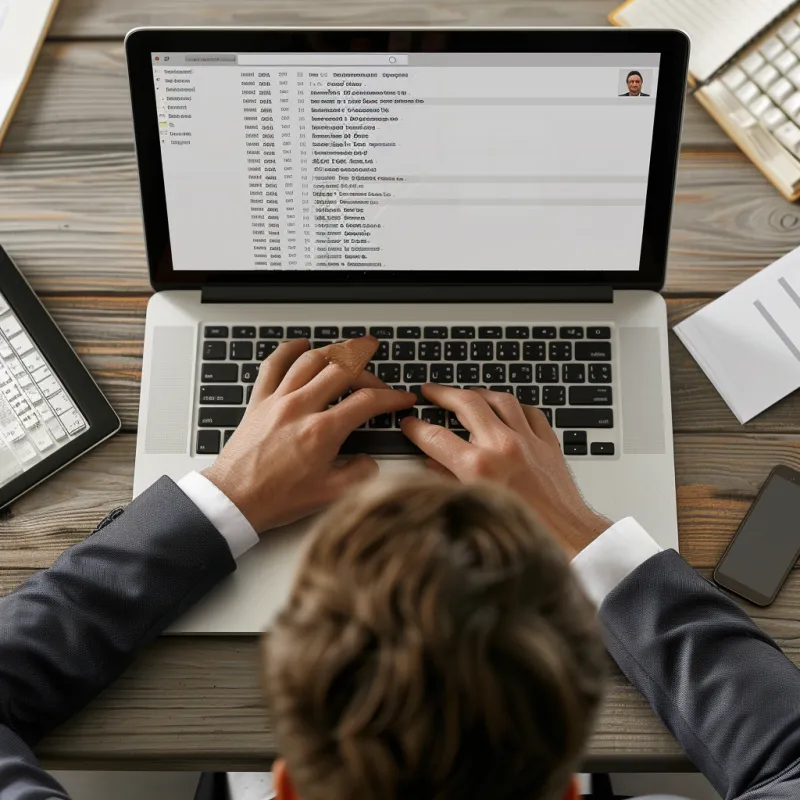
Resending email campaigns can significantly boost your email open rates and engagement. By following best practices, you can ensure your re-sent emails are well-received and effective. This guide provides key strategies for resending unopened emails to maximize marketing ROI.
Incorporating Follow-Up Emails in Your Campaign
Follow-up emails are necessary in maintaining contact with subscribers who didn’t open your initial email. These re-sent emails should be timed strategically, typically 48 to 72 hours after the first send, to avoid overwhelming your audience.
Use a new that captures attention and encourages opens. For example, if your original email subject was "Exclusive Offer Inside," a follow-up could be "Don't Miss Out: Exclusive Offer Ends Soon." Ensuring content is relevant and engaging will increase the likelihood of interaction.
Segmenting Your Email List for Resending
Segmenting list is a key step in resending email campaigns. By targeting specific groups within your email list, such as subscribers who didn’t open your initial email, you can tailor your re-sent email content to better suit their preferences and behaviors. Use data from marketing platform to create segments based on open rates, click-through rates, and other engagement metrics. This approach ensures that the emails you’re sending are relevant and personalized, increasing the chances of engagement.
Increasing Engagement Through Strategic Resending
Strategically resending emails can significantly boost engagement. Timing, content, and subject lines are key factors. Avoid resending emails immediately; instead, wait at least 48 hours to give your initial email time to be noticed. Adjust the to create urgency or curiosity. For example, a new like "Final Reminder: Exclusive Deal Inside" can prompt action. Ensure the email content is refreshed to maintain interest and relevance.
Ensuring ROI by Resending Unopened Emails
Resending unopened emails can greatly improve your return on investment (ROI) by maximizing the reach of your campaigns. When you automatically resend emails to non-openers, you tap into a segment of your audience that might have missed your initial email due to timing or other factors. By crafting a compelling new and ensuring the content is engaging, you increase the chances of being opened and interacted with, thereby enhancing marketing effectiveness.
Ways to Send Re-Sent Emails Without Spamming Subscribers
Avoiding the spam folder is critical when resending emails. To prevent your re-sent emails from being marked as spam, ensure you follow best practices for email sending. This includes spacing out your emails, using a new subject line, and ensuring content adds value. Avoid sending too many emails in a short period, as this can lead to higher unsubscribe rates. Plus, personalize s to make them more relevant to the recipient's interests and behaviors.
Automating Resending: Key Strategies and Benefits
Automating the process of resending unopened email campaigns can significantly improve communication and marketing results. By applying marketing automation platforms, you can simplify your workflows, ensure timely follow-ups, and enhance engagement without manual intervention. This section will explore key strategies and benefits of automating resending emails.
Setting Up Automated Workflows for Resending
Setting up automated workflows for resending emails involves using your marketing automation platform to create sequences that automatically send follow-up emails to non-openers. First, schedule a wait period of at least three days before resending to avoid overwhelming your subscribers.
Next, customize your workflow to include a new and refreshed email content. Integrating a tester can further improve your email's effectiveness. Automating this process ensures consistency and saves time, allowing you to focus on other aspects of your email marketing campaigns.
Automated workflows for resending emails enhance efficiency, consistency, and engagement by ensuring timely and optimized follow-ups.
Creating New Email Content for Resending
When resending emails, it's necessary to create new email content to capture your audience's attention. Re-sending the same email twice can appear spammy and lead to higher unsubscribe rates. Instead, update with fresh, relevant content that aligns with the new .
This approach not only keeps s interesting but also provides additional value to your recipients, increasing the likelihood of engagement. Beautiful emails with compelling visuals and concise, impactful messages can significantly improve your email marketing campaigns.
Refreshing email content for resending keeps your audience engaged and reduces the risk of appearing spammy, leading to better results.
Identifying the Need to Resend Based on Open Rates
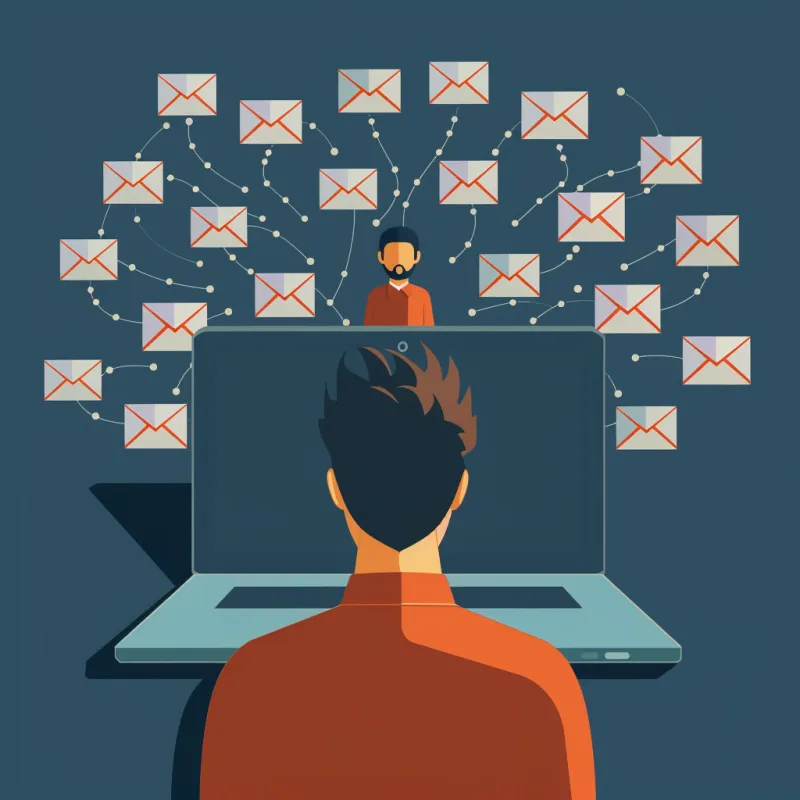
Understanding when to resend emails is key for optimizing your email marketing strategy. Use your marketing automation platform to analyze open rates and identify non-openers. If a significant portion of list didn’t open the initial email, it indicates the need to resend.
Track metrics such as bounce rates, click-through rates, and unsubscribes to gauge the effectiveness of your resending efforts. By monitoring these metrics, you can make data-driven decisions on when and how to resend, ensuring that your efforts yield the best possible ROI.
Identifying the need to resend emails based on open rates and other metrics ensures your efforts are targeted and effective, improving campaign performance.
Resending Unopened Emails: Avoiding Common Mistakes
Resending unopened emails can be a turning point for your email marketing strategy, but it’s fundamental to avoid common mistakes that can reduce its effectiveness. By automating the process and strategically adjusting your approach, you can increase engagement and improve your return on investment. This guide covers key strategies to manage unopened emails effectively.
Preventing Overwhelming Subscribers with Resent Emails
One of the biggest risks of resending emails is overwhelming your subscribers. Bombarding them with emails within a few days can lead to higher unsubscribe rates. To prevent this, implement a waiting period of at least 48 to 72 hours before resending .
This allows enough time for the initial email to be opened and reduces the likelihood of annoying your audience. Using automation tools can help you schedule these emails and ensure they are sent at optimal times without manual intervention.
Adjusting Subject Lines and Email Content for Resending
Strategic resending involves more than just automating the process; it requires thoughtful adjustments to subject lines and email content. When you resend an email, make sure to create a new, compelling that grabs attention. Personalization can be highly effective, so consider adding the recipient’s name or other personalized elements. Also, update the email content to keep it fresh and relevant. This can significantly boost click-through rates and conversion rates, making your resending efforts more successful.
Managing Unopened Emails Effectively
Managing unopened emails effectively involves using automation tools and strategic planning. Start by analyzing open rates to identify patterns and determine the best times to resend emails. Automation tools can speed up this process, allowing you to automate follow-up emails and monitor their performance. On top of that, segment list to target unengaged customers separately from your main list. This tailored approach ensures that your emails remain relevant and engaging for each segment, increasing engagement.
FAQs
Why should I resend unopened emails? Resending unopened emails can significantly increase your open rates and engagement by giving your message a second chance to be seen. This strategy helps ensure that your email marketing efforts reach a larger portion of your audience.
How long should I wait before resending an unopened email? It’s recommended to wait at least 48 to 72 hours before resending an unopened email. This waiting period helps prevent overwhelming your subscribers and allows them to have a fresh perspective on your content.
What changes should I make when resending an email? When resending an email, change the subject line to make it more compelling and consider updating the email content to keep it relevant and engaging. Personalization and adjusting the call-to-action can also help improve open and click-through rates.
How can I avoid my resending efforts being seen as spam? To avoid your resending efforts being seen as spam, ensure you don’t resend too frequently, use a new and engaging subject line, and provide valuable content. Implementing a waiting period between sends and monitoring your email performance can also help.
Can automation tools help with resending unopened emails? Yes, automation tools can make easier the process of resending unopened emails by allowing you to schedule follow-up emails, personalize subject lines and content, and monitor performance metrics to optimize your strategy.
What should I do if my resend email still doesn't get opened? If your resend email still doesn't get opened, analyze the performance data to identify potential issues, such as timing, subject line effectiveness, or content relevance. Experiment with different approaches and continue optimizing your strategy based on insights from your email marketing platform.
Dive into the future of meaningful communication with us and watch your audience grow, engage, and thrive.
Frequently Asked Questions
How to Resend Email Campaigns for Better Results?
Resending an email campaign to non-openers involves more than just hitting the resend button. To maximize effectiveness, timing and changes are critical. Typically, avoid resending an email immediately. Allow a wait period of at least 48 hours before resending to give your initial email enough time to be opened.
What are the best approaches for understanding the impact of resending emails?
Resending emails to non-openers can significantly increase your campaign’s reach and effectiveness. Studies show that resending emails can boost open rates by up to 54.7%. many recipients might miss your first email due to a crowded inbox or poor timing.
What are the best approaches for choosing the right subject line for resending: how to resend an email?
The is a important element in the success of resending emails. Since the subject line is the first thing a recipient sees, it needs to be compelling enough to grab their attention. When resending an email, avoid using the same as the original email.
What are the best approaches for automating the process of sending another email: email resending tips?
Automating the process of resending emails can save time and ensure consistency in your campaigns. Email marketing platforms like Mailchimp and Automizy allow you to set up automated workflows that resend emails to non-openers after a specified period.
What are best practices for resending email campaigns?
Resending email campaigns can significantly boost open rates and engagement. By following best practices, you can ensure your re-sent emails are well-received and effective. This guide provides key strategies for resending unopened emails to maximize marketing ROI.
What are the best approaches for incorporating follow-up emails in your campaign?
Follow-up emails are necessary in maintaining contact with subscribers who didn’t open your initial email. These re-sent emails should be timed strategically, typically 48 to 72 hours after the first send, to avoid overwhelming your audience.
Inagiffy — Premium newsletter growth for brands that take email seriously. Strategy, design, and delivery handled for you. See what we do.
Related Articles
