Differences Between Graphic Design vs UI Design
Arnav Jalan
design
Differences Between UI Design vs Graphic Design: Graphic Designer vs UI Designer
At first glance, graphic design and UI design might seem interchangeable, as both involve creating visually appealing designs. However, they serve different purposes and require distinct skill sets. This blog will clarify the differences between UI design and graphic design, shedding light on their unique roles, responsibilities, and design processes.
Key Takeaways
What is the role of a graphic designer compared to a UI designer? — A graphic designer's role revolves around creating visual content to communicate specific messages.
Responsibilities of a graphic designer — Graphic designers often juggle multiple tasks, depending on the project and the medium.
Responsibilities of a UI designer — The responsibilities of a UI designer are centered around the design and functionality of digital products.
Differences in design process between graphic and UI designers — The design process for graphic designers typically begins with understanding the client's needs and the message they want to communicate.
How does UI design differ from graphic design in terms of user experience? — User experience (UX) is a critical aspect of UI design, which focuses on creating digital interfaces that are not only visually appealing but also fun...
Importance of UX in UI design — The importance of UX in UI design cannot be overstated.
What is the role of a graphic designer compared to a UI designer?
A graphic designer's role revolves around creating visual content to communicate specific messages. They work on both print and digital media, designing everything from logos and brochures to websites and mobile apps. Their primary focus is on aesthetics and brand identity, ensuring the visual elements align with the brand's message.
In contrast, a UI designer focuses exclusively on digital interfaces. They design the interactive aspects of digital products, such as websites, apps, and software. Their work is not just about making interfaces look good but also ensuring they are functional and user-friendly. ers aim to enhance user experience by creating intuitive and effortless interactions.
While graphic designers concentrate on visual communication across various media, ers specialize in the usability and functionality of digital interfaces. User experience design (UX Design) is an important part of modern interaction design principles.
Responsibilities of a graphic designer
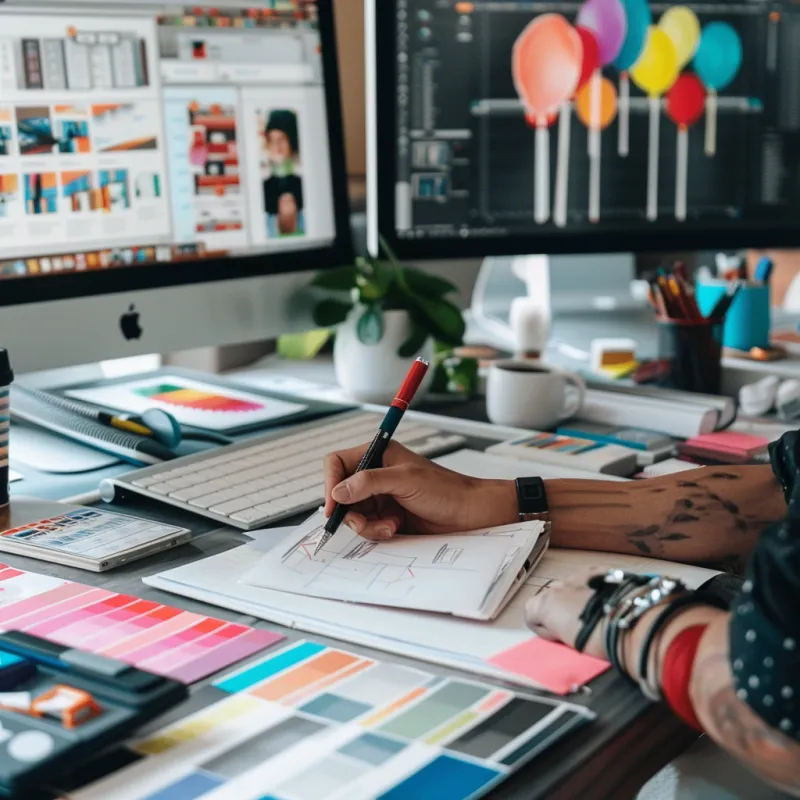
Graphic designers often juggle multiple tasks, depending on the project and the medium. Their responsibilities include creating visual concepts using computer software or by hand, developing the layout and production design for advertisements, brochures, magazines, and corporate reports. They work closely with clients to understand their needs and convey the desired message through design.
Graphic designers also ensure consistency in visual identity across all media platforms. They utilize design principles such as balance, contrast, and hierarchy to create aesthetically pleasing and effective designs. Tools like Adobe Photoshop, Illustrator, and InDesign are core in their toolkit.
Responsibilities of a UI designer
The responsibilities of a er are centered around the design and functionality of digital products. They work closely with UX designers to understand user needs and create interfaces that are both visually appealing and easy to use. This involves designing the layout of each screen, selecting color schemes, typography, and imagery, and adding interactive elements such as buttons and menus.
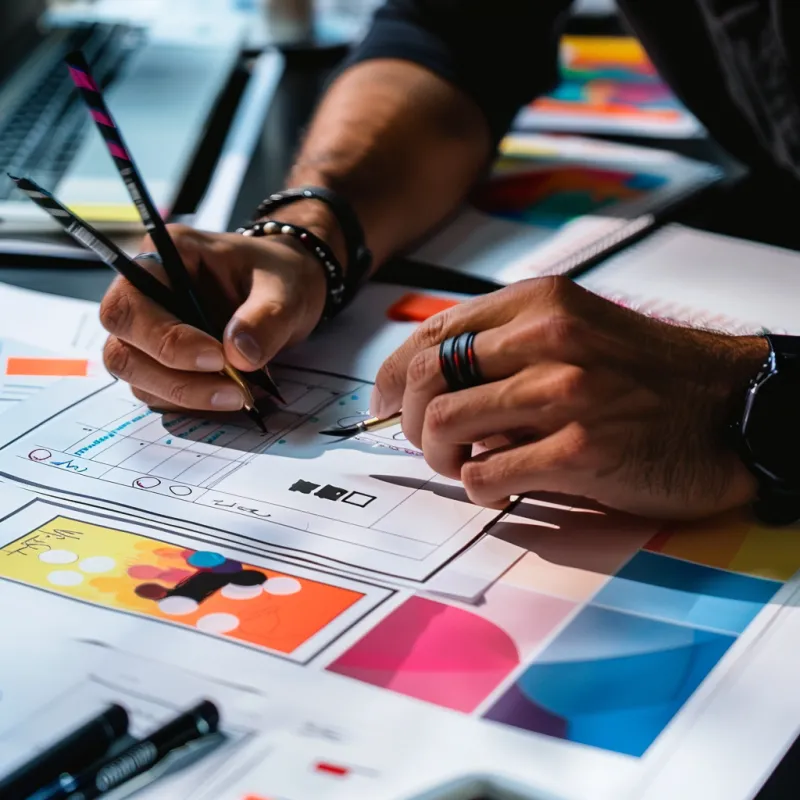
UI designers must also consider the user experience, ensuring that the interface is intuitive and navigable. They often create wireframes and prototypes to test and refine their designs before the final implementation. Tools like Sketch, Figma, and Adobe XD are commonly used in their workflow.
Differences in design process between graphic and UI designers
The design process for typically begins with understanding the client's needs and the message they want to communicate. This is followed by brainstorming and sketching ideas, creating digital mockups, and refining the designs based on feedback. The final design is then prepared for print or digital publication.
For , the process starts with understanding the user and their needs, often through user research conducted by UX designers. They then create wireframes and prototypes to map out the interface's structure and functionality. After several iterations and user testing, they finalize the design, ensuring it is both aesthetically pleasing and functional.
How does UI design differ from graphic design in terms of user experience?
User experience (UX) is a critical aspect of , which focuses on creating digital interfaces that are not only visually appealing but also functional and easy to navigate. are responsible for ensuring that every interaction a user has with a digital product is intuitive and enjoyable. They consider the user journey, usability, and the feel of the interface.
In contrast, graphic design is more about visual communication and aesthetics. While also consider the user experience, their primary focus is on conveying a message through visual elements such as typography, color, and layout. use their skills to create visually engaging content for both digital and print media.
Importance of UX in UI design
The importance of UX in cannot be overstated. and UX designers work closely together to create interfaces that meet the needs of users. The goal is to ensure that the design is not only visually appealing but also enhances usability. This involves conducting user research, creating wireframes and prototypes, and testing designs to ensure they provide a smooth user experience.
Good UX in leads to higher user satisfaction, increased engagement, and better performance of the digital product. It helps users complete tasks efficiently and enjoyably, which is significant for the success of any digital product.
UX is integral to UI design, focusing on usability and user satisfaction to create intuitive and enjoyable digital experiences.
User-centered design in graphic design
User-centered design is a principle that can be applied to both and graphic design. In graphic design, this approach involves understanding the target audience and creating visual content that resonates with them. Graphic designers conduct research to understand the preferences, behaviors, and needs of their audience, and use this information to guide their design decisions.
By focusing on the user, can create more effective and engaging designs. This user-centered approach ensures that the visual content not only looks good but also communicates the intended message clearly and effectively.
Impact of visual elements on user experience
Visual elements play a critical role in both and graphic design. In , visual elements such as color, typography, and layout are used to create a cohesive and intuitive interface. These elements help guide the user through the interface, making it easier to navigate and interact with the digital product.
In graphic design, visual elements are used to create aesthetically pleasing designs that communicate a specific message. The choice of colors, fonts, and imagery can evoke emotions and convey brand identity. Effective use of visual hierarchy ensures that the most important information stands out and grabs the viewer's attention.
What are the key skills required for a graphic designer as opposed to a UI designer?
And UI designers may share some overlapping skills, but each role demands a unique set of capabilities. are primarily focused on creating visual content that communicates a message. They excel in visual storytelling, composition, and branding, using tools like Adobe Photoshop, Illustrator, and InDesign. Their work spans both digital and print media, emphasizing aesthetics and creativity.
On the other hand, concentrate on designing digital interfaces with a strong focus on user experience. They need a solid understanding of user-centered design principles, wireframing, and prototyping. Tools like Sketch, Figma, and Adobe XD are necessary in their toolkit. also need to be adept at problem-solving to ensure their designs are both functional and visually appealing.
For a deeper dive, see our guide on 2025 Guide to Email Marketing Design Trends.
Design skills for graphic designers
Graphic designers need a strong foundation in visual communication and design principles. They should be proficient in typography, color theory, and layout design. These skills help them create compelling visual content that captures the audience's attention and conveys the intended message effectively.
A graphic designer's role often involves working on various types of design projects, from branding and advertising to print and digital media. Staying updated with the latest design trends is necessary to ensure their work remains relevant and engaging. On top of that, must be creative thinkers who can translate ideas into visually appealing designs.
Technical skills for UI designers
Must possess technical skills that allow them to design interactive and functional digital interfaces. They need proficiency in design software like Sketch, Figma, and Adobe XD to create wireframes and prototypes. Understanding HTML, CSS, and JavaScript is also beneficial, as it helps them collaborate effectively with developers.
Apart from technical skills, ers must have a deep understanding of user-centered design principles. This includes conducting user research, creating personas, and performing usability testing to ensure their designs meet user needs. The ability to iterate on designs based on user feedback is key for creating intuitive and effective interfaces.
Understanding visual communication in graphic design
Visual communication is at the heart of graphic design. use visual elements like typography, color, images, and layout to convey messages and evoke emotions. Their work aims to create a visual narrative that resonates with the audience and effectively communicates the intended message.
Must consider different aspects of the design process, such as the target audience, the medium of delivery, and the brand identity. They create designs that are not only visually appealing but also aligned with the client's objectives. This requires a keen eye for detail and a deep understanding of how visual elements work together to create a cohesive design.
What is the salary difference between graphic designers and UI designers?
One of the most notable differences between and graphic design is the salary potential. Generally, tend to earn a higher average salary than graphic designers. This is largely due to the technical skills required for , which are in high demand in the tech industry. The focus on creating user-friendly digital interfaces that enhance user experience drives this demand.
Are expected to have a deep understanding of user-centered design principles, and their work often involves creating wireframes, prototypes, and interactive elements. This specialized skill set commands a premium in the job market. In contrast, , while highly skilled in visual communication and brand identity, typically earn less due to the broader range of industries they work in and the varying demand for traditional graphic design skills.
Average salary comparison between graphic and UI designers
The average salary for and varies depending on location, experience, and industry. According to recent data, in the United States, the average salary for a UI designer is around $85,000 per year, while earn approximately $59,000 per year. In the UK, ers make an average of £45,000 per year, compared to £27,000 for graphic designers.
These figures highlight the significant salary gap between the two professions. The higher earnings for can be attributed to the increasing importance of user experience in digital products, which requires a unique combination of visual design skills and technical expertise.
Factors influencing salary in graphic and UI design fields
Several factors influence the salary of graphic and . For , key factors include the industry they work in, their level of experience, and the complexity of their projects. working in advertising, marketing, or tech industries tend to earn more due to the higher demand for their skills in these sectors.
For , technical proficiency in design software and an understanding of user experience principles are critical. The ability to create interactive prototypes, conduct user research, and implement feedback into design iterations significantly impacts earning potential. Plus, the location of the job can affect salaries, with designers in major tech hubs like San Francisco, London, and Berlin typically earning more.
How do the design principles differ in graphic and UI design?
Design principles are fundamental in both graphic and , but they are applied differently to serve their unique purposes. In graphic design, principles like balance, contrast, and hierarchy are used to create visually appealing and effective communication pieces. focus on developing the visual style that aligns with a brand’s identity, ensuring the design is aesthetically pleasing and conveys the intended message.
In contrast, principles are more focused on functionality and user experience. UI designers use principles like consistency, feedback, and accessibility to create interfaces that are intuitive and easy to navigate. The goal is to enhance the user experience by making digital products more usable and enjoyable.
Use of visual content in UI design
Visual content in is key for creating engaging and user-friendly interfaces. use various elements such as typography, color schemes, icons, and images to build a cohesive visual experience that guides users through a digital product. The visual style must be consistent across all screens to ensure a easy user journey.
Unlike graphic design, which often focuses on static visuals, involves dynamic and interactive elements. must consider how these visual components will interact with user actions, ensuring that the interface is not only visually appealing but also functional and easy to use.
You might also find Web Email vs HTML Email Design helpful.
Application of interactive design in graphic design
While graphic design primarily focuses on static visuals, there is an increasing trend towards incorporating interactive design elements. Interactive design in graphic design can include animated graphics, interactive infographics, and multimedia content. These elements help engage the audience more effectively by providing an interactive and immersive experience.
Graphic designers must understand how to balance visual aesthetics with interactivity to enhance the communication and engagement of their designs. This approach requires a good grasp of design principles and technical skills to implement interactive elements smoothly.
Importance of user interface design in UI design
User interface design is a subset of UX design that focuses on the visual and interactive aspects of a digital product. The importance of lies in its ability to create interfaces that are not only visually appealing but also highly functional and user-friendly. work closely with UX designers to ensure that the interface meets the user's needs and provides a effortless experience.
UI designers use design principles and user-centered design techniques to create interfaces that guide users intuitively. They must consider various factors such as user behavior, accessibility, and responsive design to ensure the interface works well across different devices and platforms.
FAQs
The main difference is that UI design focuses on the functionality and user experience of digital interfaces, while graphic design focuses on visual communication and aesthetics across various media.
Yes, a graphic designer can transition to a UI designer role by gaining knowledge in user experience principles, learning relevant design tools, and understanding interactive and functional aspects of digital interfaces.
What tools do UI designers typically use?
UI designers typically use tools like Sketch, Figma, Adobe XD, and InVision for creating wireframes, prototypes, and interactive elements.
Key skills for a graphic designer include proficiency in typography, color theory, layout design, and tools like Adobe Photoshop, Illustrator, and InDesign.
How does the salary of a UI designer compare to that of a graphic designer?
Generally, UI designers earn higher salaries compared to graphic designers due to the specialized skills required and the high demand in the tech industry.
User interface design is important because it ensures that digital products are not only visually appealing but also functional and user-friendly, leading to a better user experience.
Dive into the future of meaningful communication with us and watch your audience grow, engage, and thrive.
Frequently Asked Questions
What is the role of a graphic designer compared to a er?
A graphic designer's role revolves around creating visual content to communicate specific messages. They work on both print and digital media, designing everything from logos and brochures to websites and mobile apps. Their primary focus is on aesthetics and brand identity, ensuring the visual elements align with the brand's message.
What is responsibilities of a graphic designer?
Often juggle multiple tasks, depending on the project and the medium. Their responsibilities include creating visual concepts using computer software or by hand, developing the layout and production design for advertisements, brochures, magazines, and corporate reports. They work closely with clients to understand their needs and convey the desired message through design.
What is responsibilities of a er?
What are differences in design process between graphic and ?
The design process for typically begins with understanding the client's needs and the message they want to communicate. This is followed by brainstorming and sketching ideas, creating digital mockups, and refining the designs based on feedback. The final design is then prepared for print or digital publication.
How does differ from graphic design in terms of user experience?
User experience (UX) is a critical aspect of UI design, which focuses on creating digital interfaces that are not only visually appealing but also functional and easy to navigate. are responsible for ensuring that every interaction a user has with a digital product is intuitive and enjoyable.
Why is ux in important?
The importance of UX in cannot be overstated. and UX designers work closely together to create interfaces that meet the needs of users. The goal is to ensure that the design is not only visually appealing but also enhances usability.
Inagiffy — Premium newsletter growth for brands that take email seriously. Strategy, design, and delivery handled for you. See what we do.
Related Articles
