Top Email Marketing Customer Journey Guide
Arnav Jalan
email campaigns
Top Email Marketing Customer Journey Guide
Key Takeaways
What is a Customer Journey in Email Marketing?
Defining the customer journey in email marketing — The customer journey in email marketing encompasses all interactions a customer has with your brand via email, from the initial contact to post-purcha...
Importance of mapping the customer journey — Mapping the customer journey is important for creating targeted email campaigns that resonate with your audience.
Examples of customer journey maps in email marketing — Customer journey maps can take various forms, from simple funnels to detailed diagrams illustrating every interaction.
The 10 Email Journey Stages (plus email examples and strategies for each one)
How to Create an Effective Email Marketing Strategy? — Creating an effective email marketing strategy is necessary for guiding potential customers through their journey and converting them into loyal custo...
What is a Customer Journey in Email Marketing?
Defining the customer journey in email marketing
The customer journey in email marketing encompasses all interactions a customer has with your brand via email, from the initial contact to post-purchase follow-ups. It's a significant element of email marketing strategy as it helps you understand and influence customer behaviors and decisions. By effectively mapping this journey, you can send personalized, timely emails that address the needs and interests of your audience at every stage.
Importance of mapping the customer journey
Mapping the customer journey is important for creating targeted email campaigns that resonate with your audience. It allows you to identify key touchpoints and opportunities for engagement, ensuring your emails are relevant and impactful. By understanding where your customers are in their journey, you can craft messages that guide them towards making a purchase and build long-term loyalty.
Examples of customer journey maps in email marketing
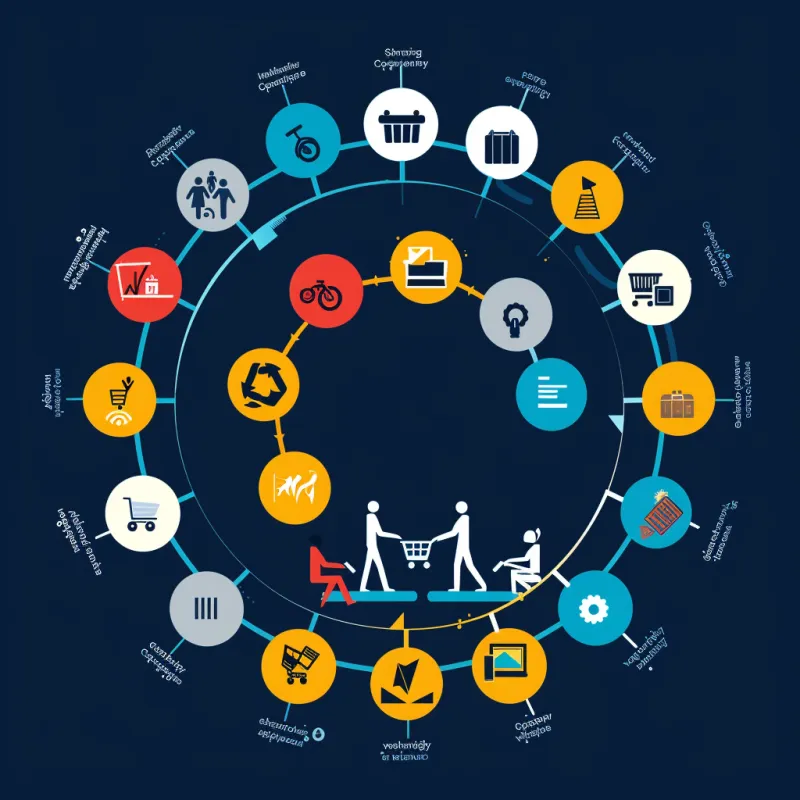
Customer journey maps can take various forms, from simple funnels to detailed diagrams illustrating every interaction. These maps provide a visual representation of the customer's path, helping marketers identify pain points and opportunities for improvement. For instance, a journey map might highlight the steps a new subscriber takes from signing up for your newsletter to becoming a loyal customer, including the automated emails they receive at each stage.
The 10 Email Journey Stages (plus email examples and strategies for each one)
Brand Awareness Email outreach isn't typically a top-of-funnel tactic, but it plays a critical role in reinforcing brand awareness. Partnering with social media teams can help grow your email list by promoting newsletters and offering valuable content. For example, a welcome email series can introduce new subscribers to your brand, setting the stage for deeper engagement.
Lead Acquisition Capturing leads involves connecting email strategy with content marketing. Offering valuable resources and optimizing landing pages can help convert visitors into subscribers. Welcome emails should provide a mix of educational content and product information, nurturing prospects into marketing qualified leads (MQLs).
Research During the research phase, prospects look for information to make informed decisions. Email campaigns should provide valuable insights and address common questions. For instance, sending a series of emails highlighting product features, benefits, and customer testimonials can help prospects in their research journey.
Consideration and Comparison In this stage, prospects compare your brand with competitors. Emails should emphasize your unique selling points, including success stories, case studies, and competitive comparisons. Offering limited-time discounts or free trials can also tip the scales in your favor.
Purchase Once a prospect is ready to buy, emails should make the purchasing process smooth and reassuring. Transactional emails like order confirmations and shipping updates are necessary. Plus, post-purchase emails thanking the customer and providing further resources can enhance the buying experience.
Onboarding and Education After a purchase, onboarding emails help new customers get the most out of their purchase. Step-by-step guides, how-to videos, and tips on using the product can reduce buyer's remorse and ensure satisfaction. For example, a SaaS company might send a series of onboarding emails to help new users navigate their platform.
Upsells and Cross-sells Upselling and cross-selling emails target existing customers, encouraging them to explore additional products or services. These emails should be highly personalized based on customer behavior and preferences. For instance, an e-commerce store might recommend related products or accessories based on previous purchases.
Retention and Loyalty Retaining customers involves maintaining engagement and showing appreciation. Loyalty programs, exclusive offers, and personalized content can keep customers coming back. Email campaigns celebrating customer milestones, such as anniversaries or birthdays, can encourage a strong sense of connection.
Advocacy Encouraging satisfied customers to become brand advocates can amplify your marketing efforts. Emails prompting customers to leave reviews, share their experiences on social media, or participate in referral programs can drive word-of-mouth marketing. Highlighting user-generated content in your emails can also enhance community engagement.
Re-engagement Re-engagement emails target inactive subscribers, aiming to rekindle their interest. Offering exclusive deals, asking for feedback, or simply reminding them of what they’re missing can bring them back into the fold. If all else fails, a gentle nudge to confirm their subscription preferences can keep your email list healthy.
How to Create an Effective Email Marketing Strategy?
Creating an effective email marketing strategy is necessary for guiding potential customers through their journey and converting them into loyal customers. This guide will provide tips for mapping your email marketing strategy, utilizing automation, and improving conversion rates through strategic email campaigns.
Tips for mapping your email marketing strategy
Mapping your email strategy strategy involves understanding the stages of the journey your customers go through, from awareness to loyalty. Start by creating journey maps that outline each touchpoint where you can engage with your audience. Use customer data to segment your audience and tailor your email content to their needs at each stage. This approach ensures your marketing email resonates with your audience, enhancing their customer experience and driving engagement.
Utilizing automation in email campaigns
Marketing automation is a big step forward for email marketers. By automating your email campaigns, you can send timely, personalized emails based on customer actions and preferences. Automation helps create an email series that nurtures potential customers through the email marketing journey, from welcome emails to post-purchase follow-ups. This not only saves time but also increases the effectiveness of your email campaigns strategy by delivering the right message at the right time.
Utilizing automation in email campaigns enhances efficiency and personalization, ensuring consistent customer engagement and higher conversion rates.
Improving conversion rates through email marketing
Improving conversion rates through email marketing requires a strategic approach. Focus on creating compelling email content that addresses the needs and pain points of your audience. Use customer data to personalize your messages and include clear calls to action that guide through the next stage of the journey. Testing different elements of your emails, such as subject lines, layouts, and CTAs, can also provide insights into what resonates best with your audience and drives the highest conversions.
Strategic, data-driven email content and clear CTAs are important for improving conversion rates and guiding customers towards making a purchase.
Why is Customer Engagement Important in Email Marketing?
Customer engagement is a vital aspect of that helps build strong, lasting relationships with both potential and existing customers. Engaging customers through well-crafted email campaigns ensures that they remain connected to your brand, leading to higher conversion rates and customer loyalty. Here's how you can effectively engage both existing and potential customers through email outreach.
Engaging existing customers through email
Engaging existing customers through email involves understanding their needs and preferences at various stages in the . By mapping the , you can identify touchpoints where engagement can be enhanced. For example, sending personalized emails based on past purchases or behaviors can make customers feel valued and understood. Utilizing strategies like abandoned cart emails and personalized product recommendations keeps your brand top-of-mind and encourages repeat purchases.
Strategies to attract potential customers via email
Attracting potential customers via email requires a strategic approach to map the effectively. Start by creating compelling email content that addresses the interests and pain points of your target audience. Use email examples that highlight successful campaigns and use customer reviews to build trust. Also, employing strategies like welcome emails and educational content can nurture potential customers through the different customer journey stages, moving them closer to making a purchase.
Utilizing Automation in Email Campaigns
Automation in email campaigns revolutionizes how businesses engage with their audience, allowing for timely, personalized interactions at scale. This strategy not only enhances the but also ensures that every email sent is relevant and impactful. Here’s how to apply the power of automation in your efforts.
Benefits of automated email sequences
Automated email sequences are a turning point for email marketers, enabling them to define the and engage with customers at the right moments. These sequences, triggered by specific actions or timelines, ensure that emails are sent at optimal times, enhancing engagement and conversion rates.
For instance, a welcome email series can introduce new subscribers to your brand, while an abandoned cart email can remind customers to complete their purchase. Using an platform to set up these sequences can save time and improve efficiency.
Creating personalized email content using automation
Creating personalized email content using automation involves understanding the and using customer data to tailor messages. By utilizing customer journey mapping, you can identify key touchpoints and design emails that resonate with your audience. For example, you can send product recommendations based on previous purchases or include customer reviews to build trust. Automation allows for dynamic content generation, ensuring that every email is personalized and relevant to the recipient’s stage in the journey.
Automation enables the creation of personalized email content that enhances the effectiveness of your campaigns, supporting stronger connections and driving higher engagement.
Measuring Success in Email Marketing Campaigns
Measuring the success of your email strategy campaigns is key for understanding their impact and optimizing future efforts. This guide will help you understand how to evaluate customer feedback, analyze conversion rates, and develop strategies based on email marketing analytics.
Understanding customer feedback from email campaigns
Customer feedback is a vital component of assessing the success of your email marketing campaigns. By closely monitoring feedback, you can gain insights into different stages of the journey and understand how your emails are perceived. Utilize surveys and direct responses to gather qualitative data about your email sign-up form, content, and customer experience. Analyzing this feedback helps in refining your email strategy, ensuring experience is smooth and engaging from one email to the next.
Analyzing conversion rates and customer engagement
Conversion rates and customer engagement metrics provide quantitative insights into the effectiveness of your email campaigns. By analyzing these metrics, you can identify which emails resonate most with your audience and drive desired actions, such as purchases or sign-ups. Pay attention to open rates, click-through rates, and conversion rates to gauge the impact of your efforts. Automated email marketing campaigns can be particularly useful in maintaining consistent engagement, guiding customers through the journey, and increasing conversions.
Developing strategies based on email marketing analytics
Developing strategies based on email outreach analytics involves applying data to enhance your campaigns continuously. Utilize tools to track and analyze customer interactions, identifying trends and patterns that inform your email journey strategy. For instance, if you notice a drop-off at a particular stage of the journey, you can adjust your content or timing to re-engage customers. Automated email campaigns allow you to set up a journey that adapts to customer behaviors, ensuring a personalized and effective approach.
FAQs
What is the importance of measuring success in email marketing campaigns? Measuring success in email strategy campaigns helps you understand their impact, optimize future efforts, and ensure a smooth customer journey. It provides insights into what works and what doesn’t, enabling you to refine your strategies.
How can customer feedback improve my email marketing efforts? Customer feedback provides qualitative data on how your emails are perceived, helping you refine content, improve engagement, and enhance the customer experience. It ensures that your emails resonate with your audience and address their needs effectively.
What metrics should I focus on when analyzing email marketing success? Key metrics include open rates, click-through rates, and conversion rates. These metrics help you gauge engagement levels, the effectiveness of your content, and the impact of your email campaigns efforts.
How can I use email marketing analytics to develop better strategies? By tracking and analyzing customer interactions, you can identify trends and patterns that inform your email journey strategy. This data-driven approach helps you create more targeted and effective campaigns, enhancing the customer journey.
What are the benefits of automated email marketing campaigns? Automated email outreach campaigns ensure timely, personalized communication with your audience. They help maintain consistent engagement, guide customers through their journey, and increase conversions by sending relevant messages at the right time.
How do conversion rates and engagement metrics influence my email marketing strategy? Analyzing conversion rates and engagement metrics provides quantitative insights into your campaign’s effectiveness. This analysis helps you identify successful elements and areas for improvement, leading to more effective and targeted email marketing strategies.
Dive into the future of meaningful communication with us and watch your audience grow, engage, and thrive.
Frequently Asked Questions
What are the best approaches for defining the customer journey in email marketing?
The in encompasses all interactions a customer has with your brand via email, from the initial contact to post-purchase follow-ups. It's a significant element of strategy as it helps you understand and influence customer behaviors and decisions.
Why is mapping the customer journey important?
Mapping the is important for creating targeted email campaigns that resonate with your audience. It allows you to identify key touchpoints and opportunities for engagement, ensuring your emails are relevant and impactful. By understanding where your customers are in their journey, you can craft messages that guide them towards making a purchase and build long-term loyalty.
What are examples of customer journey maps in email marketing?
Customer journey maps can take various forms, from simple funnels to detailed diagrams illustrating every interaction. These maps provide a visual representation of 's path, helping marketers identify pain points and opportunities for improvement.
How to Create an Effective Email Marketing Strategy?
Creating an effective email marketing strategy is necessary for guiding potential customers through their journey and converting them into loyal customers. This guide will provide tips for mapping your strategy, utilizing automation, and improving conversion rates through strategic email campaigns.
What are tips for mapping your email marketing strategy?
Mapping your email strategy strategy involves understanding the stages of the journey your customers go through, from awareness to loyalty. Start by creating journey maps that outline each touchpoint where you can engage with your audience. Use customer data to segment your audience and tailor your email content to their needs at each stage.
What are the best approaches for utilizing automation in email campaigns?
Marketing automation is a big step forward for email marketers. By automating your email campaigns, you can send timely, personalized emails based on customer actions and preferences. Automation helps create an email series that nurtures potential customers through the journey, from welcome emails to post-purchase follow-ups.
Inagiffy — Premium newsletter growth for brands that take email seriously. Strategy, design, and delivery handled for you. See what we do.
Related Articles
